 By Wayne Elijah
St. Louis is close to the Mississippi and Missouri Rivers, which ensures consistent humidity across all neighborhoods. While areas close to river basins, such as Carondelet and Soulard, have more mosquitoes and drain flies, historic districts like Lafayette Square and The Hill have more rodents and subterranean pests. Construction in Wildwood and O’Fallon triggers infestations in nearby homes, as local wildlife and insects are displaced from cleared greenbelts.
What needs as much attention is how pest patterns change across seasons. If you talk to a top pest control provider in St. Louis, such as Pointepestcontrol.com, you will realize that the problems aren’t the same everywhere. The Pointe technicians tweak their approach for the weather and neighborhoods, and here’s what they told us about seasonal infestations.
Moisture Surge in Spring
St. Louis has clay soil, which, when it warms up in spring, leads to termite swarming. Subterranean termites are among the most destructive pests in Missouri, and it is crucial to schedule regular professional assessments to catch the early signs. Spring rains saturate the ground, which also forces other species, such as millipedes, earwigs, and centipedes, out of the soil and into the cool, damp basements in older city homes. Odorous house ants and carpenter ants begin scouring aggressively in spring, and you may find them in kitchens and bathrooms.
Humidity in Summer Months
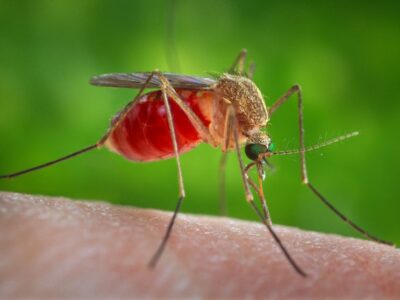
Sustained humidity and localized drainage problems in summer increase mosquito movement, especially in areas near park systems or floodplain basins. Elevated temperatures also mean seeing more German and American cockroaches, which enter through utility entry points and wall voids in dense metro areas. Wasps and hornets can be seen making nests on wooden eaves in historic residential properties.
Fall Migration
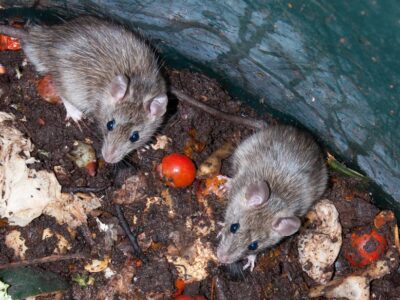
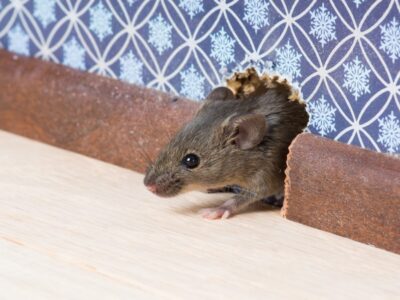
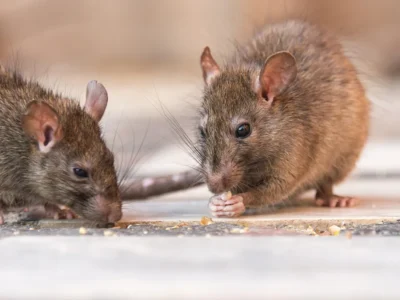
Sharp temperature drops in the fall force Norway rats and house mice out of industrial parks and sewers into homes. Without exclusion measures, these rodents can cause massive damage in winter. Boxelder bugs and lady beetles can be seen on siding and window frames on south walls, specifically in suburban zones. As reproductive cycles wane, brown recluse spiders increasingly inhabit homes, seeking undisturbed zones in storage boxes and attics.
Winter Indoor Pressure
Cockroaches and silverfish are highly active in winter, often growing in numbers inside wall voids. Rodents continue to damage insulation and electrical wiring and can be found making noises at night. Because exterior pest problems are limited, winter is the perfect time to get your home checked and perform structural sealing.
Professional Pest Control for Seasonal Issues
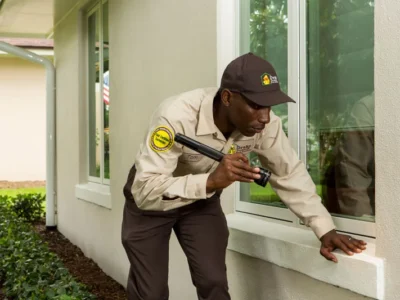
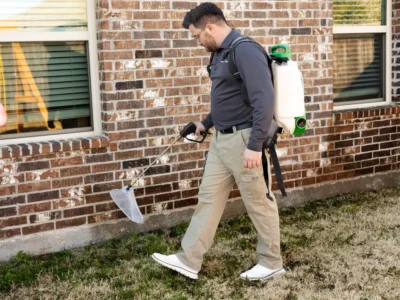
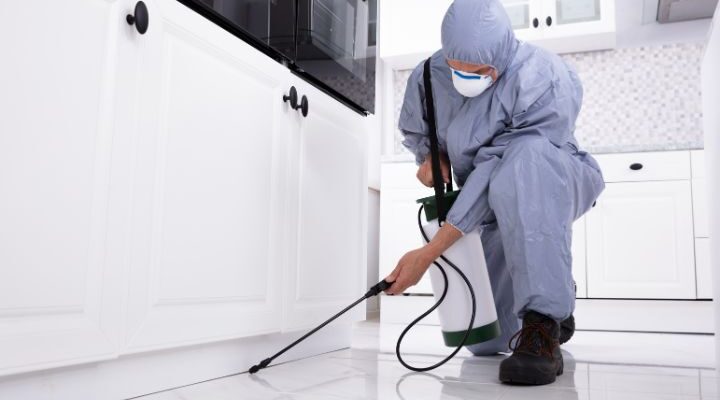
If you think that spraying local store products will help, you are making a mistake that could worsen the infestation. Odorous house ants, for instance, can sense repellents and split the colony, leading to more severe problems. Professionals recommend quarterly maintenance plans for homes in St. Louis. Technicians adjust the chemical treatments and measures based on the specific pest window, which offers lasting results. Regular inspections can help find new gaps and cracks, which otherwise can be used by pests. This is more important for older homes in historic districts, where soil movement causes foundation shifts or mortar degradation.
Takeaways
When you call a pest control provider in St. Louis, technicians will use baiting and exclusion to address the source of the infestation. DIY methods only offer surface relief, and given the spring moisture and summer humidity, the products degrade sooner than usual. With yearly plans, you can have professionals check your home in each season, and as required, they will consider various steps to contain infestations. That also means you don’t have to spend extensively on urgent services, which can otherwise cost 4x more than ongoing assistance. Schedule a pest control inspection today!