
 By Wayne Elijah
Thoughtful Furniture choices play a major role in how a home feels and functions. The right pieces support daily routines, improve flow, and contribute to the character of each room. When chosen intentionally, furniture becomes more than decoration. It becomes an investment in comfort, longevity, and personal expression. Understanding the deeper principles behind selection, placement, materials, and ergonomics helps you go beyond surface level trends and create a cohesive environment that performs beautifully.
Understanding How Furniture Shapes Interior Identity
Furniture influences the structure of your interior and affects how people move, relax, work, and gather. From the scale of a sofa to the finish on a dining table, every detail contributes to identity and usability.
Defining the Purpose of Each Room
Effective design begins with clarifying what each space needs to accomplish. When the purpose is clear, the furniture becomes purposeful rather than decorative.
• Living rooms may prioritize seating capacity, comfort, and a central conversation focal point
• Bedrooms focus on rest, storage efficiency, and minimized visual clutter
• Dining areas revolve around table size, traffic flow, and lighting
• Home offices require supportive seating and productivity focused layouts
This purpose driven approach prevents unnecessary purchases and keeps the room functional.
Understanding Lifestyle Patterns
Your routines directly influence which pieces should take priority. Consider questions like:
• How many hours per day do you spend in the room
• Do you host guests often
• Are children or pets sharing the space
• Does the room support multiple tasks
Matching furniture to lifestyle ensures long term satisfaction and reduces wear.
Establishing a Cohesive Style Direction
A clear style direction helps maintain visual unity throughout the home. Mixing styles is possible, but cohesion must come from shared elements such as color, material, or shape.
Identifying Core Style Elements
Every design style has signature characteristics. For example:
• Traditional interiors rely on warm wood tones, curved silhouettes, and rich fabrics
• Modern interiors emphasize clean lines, simplicity, and smooth finishes
• Rustic styles focus on natural textures and organic materials
• Transitional settings bridge classic and modern with balanced proportions
Choose one primary style and allow secondary accents to support rather than overpower it.
Creating Material Harmony
Furniture materials influence mood and durability. A harmonious palette may include a combination of:
• Solid wood
• Metal accents
• Leather or performance fabric
• Natural fibers like rattan or jute
• Glass or stone surfaces
Limiting materials to a controlled selection keeps the room consistent and prevents visual overload.
The Role of Scale and Proportion
Scale refers to the size of a piece relative to the room, while proportion refers to how parts of the piece relate to each other. Both concepts are essential for balanced design.
Choosing Appropriately Sized Pieces
Oversized furniture can make a room feel cramped, while undersized furniture makes it feel empty. The right scale depends on ceiling height, window placement, and overall room dimensions. A large sectional might suit an open floor plan but overwhelm a small apartment.
Balancing Visual Weight
Visual weight is the perceived heaviness of a piece. Dark colors, solid shapes, and thick legs feel heavier than light woods or thin frames. Balance is achieved by spreading visual weight evenly across the room rather than allowing one area to dominate.
Function First Design
The most successful interiors prioritize function before aesthetics. Furniture should support real life use while maintaining style.
Multi Functional Pieces
In many homes, pieces that serve multiple purposes create convenience and save space. Examples include:
• Storage beds with built in drawers
• Extendable dining tables
• Ottomans with hidden storage
• Convertible desks that double as consoles
These solutions reduce clutter and make smaller spaces feel more efficient.
Ergonomic Considerations
Ergonomics ensures comfort and physical support. Key ergonomic factors include:
• Seat depth that allows feet to rest flat on the floor
• Cushions that retain shape without sinking too deeply
• Desk chairs that support posture and reduce fatigue
• Work surfaces at proper height for tasks
Good ergonomics prevent strain and increase long term usability.
Investing in Quality for Longevity
Not all furniture is created equal. Quality construction makes a significant difference in durability, safety, and value.
Understanding Construction Techniques
Well built furniture often includes:
• Mortise and tenon joints
• Corner blocks for reinforcement
• Kiln dried wood to prevent warping
• Hand tied springs in upholstered pieces
• High density foam or down blend cushions
Avoid furniture held together solely with glue or staples, as these options wear faster.
Choosing Sustainable and Safe Materials
Sustainability has become a meaningful part of modern design. Look for materials like responsibly sourced hardwoods, recycled metals, natural fabrics, and low VOC finishes. These choices create healthier indoor environments and reduce environmental impact.
Upholstery and Fabric Considerations
Fabric selection impacts comfort, appearance, and ease of maintenance.
Natural vs Synthetic Fabrics
Natural materials such as cotton, linen, wool, and leather offer breathability and rich texture. Synthetic fabrics like polyester or performance textiles offer higher stain resistance and durability. Blended fabrics often provide the best balance of comfort and practicality.
Patterns and Texture in Upholstery
Using patterns can add character and depth. Large patterns work best on bigger pieces, while smaller prints suit accent chairs or ottomans. Texture provides visual warmth, whether through chenille, velvet, boucle, or tightly woven materials.
Furniture Placement and Room Flow
Furniture placement affects how people move through a space and how comfortable it feels.
Establishing a Focal Point
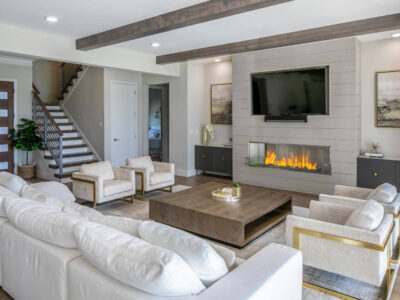
Every room benefits from a focal point. This could be a fireplace, an entertainment unit, a large window, or a feature wall. Furniture should be arranged to highlight the focal point while supporting conversation and comfort.
Maintaining Natural Pathways
Avoid placing large items in a way that blocks entrances or forces people to walk around obstacles. Ideal flow includes:
• Clear paths between doorways
• Enough space to pull out chairs comfortably
• Seating positioned for conversation rather than isolation
• Logical transitions between zones in open floor plans
Storage Furniture and Organizational Efficiency
Well selected storage furniture keeps spaces tidy and functional.
Built in vs Freestanding Storage
Built ins maximize vertical wall space and look seamless. Freestanding units offer flexibility for rearranging. Both can work together when chosen with consistent finishes and proportions.
Closed vs Open Storage
Closed storage hides clutter and helps minimalists maintain clean lines. Open storage displays collectibles, books, or decor. A balanced combination keeps interiors visually interesting without feeling chaotic.
Outdoor Furniture and Durability Requirements
Outdoor furniture must handle sun, moisture, temperature changes, and daily use.
Weather Resistant Materials
Effective outdoor materials include:
• Teak
• Powder coated aluminum
• Resin wicker
• Concrete
• Sun resistant fabric
These materials maintain stability and color even in challenging climates.
Comfort and Stability
Outdoor pieces should offer the same comfort level as indoor furniture. Look for cushioned seating, ergonomic backs, and substantial weight to prevent tipping in windy conditions.
Integrating Color Theory in Furniture Selection
Color influences emotional tone, visual energy, and overall cohesion.
Neutral Foundations with Accent Layers
Neutrals such as beige, gray, ivory, and taupe create timeless foundations. Layering in accent pieces like colorful chairs, patterned pillows, or painted side tables adds personality without overpowering the room.
Using Contrast to Add Depth
Contrast brings character. For example:
• Dark wood paired with light upholstery
• Metal accents beside natural fibers
• Smooth surfaces combined with textured fabrics
Contrast can also define zones or highlight architectural features.
Advanced Customization Techniques
Customization allows homeowners to create one of a kind pieces that match their exact needs.
Working with Custom Dimensions
If a room has unusual dimensions, custom pieces may be necessary to ensure proper fit. This is especially helpful in:
• Small apartments
• Historic homes
• Attics or bonus rooms with angled ceilings
• Large open spaces that require appropriately scaled pieces
Tailoring Fabric and Finish Options
Custom upholstery, stain choices, hardware finishes, and leg styles bring individual personality to standard designs.
Real Life FAQs
How do I choose furniture that will not go out of style
Focus on timeless silhouettes, neutral fabrics, and high quality materials. Add personality through accessories rather than investing in trendy shapes or colors that may become outdated.
What is the best layout for a living room with both a TV and a fireplace
Create a seating arrangement that allows viewing in both directions. Position the primary sofa facing the main focal point and use swivel chairs or additional seating to maintain flexibility.
How can I make a small room feel larger with furniture
Choose pieces with visible legs, reflective finishes, or narrow frames. Multifunctional storage pieces reduce clutter, and lighter color upholstery expands the visual space.
What is the ideal dining table size for hosting guests
A table should allow at least three feet of clearance around it for comfortable movement. Rectangular tables suit larger groups, while round tables encourage conversation in smaller spaces.
How do I choose a sofa that will last for many years
Look for kiln dried hardwood frames, reinforced joints, and high density foam cushions. Durable upholstery like leather or performance fabric increases lifespan and resists wear.
If you want, I can create a room specific furniture layout plan, material comparison guide, or complete interior design concept tailored to your home and style preferences.