Furniture

Built to Last: Essential Furniture Maintenance Tips to Keep Wooden Pieces Looking Brand New

Good wood furniture has a quiet presence that plastic, metal, or particleboard rarely matches. A solid oak dining table, a walnut credenza, or a cherry dresser carries warmth and weight, and with sensible care it can stay handsome for decades. Yet many homeowners unintentionally wear out their favorite pieces through routine habits that seem harmless at first glance.
Wood is a living, responsive material long after a tree is felled. It breathes with shifts in room humidity, reacts to direct sunlight, and records every spilled drink or dragged chair leg. Keeping wooden pieces looking fresh does not require hours of weekend labor or a cabinet full of specialty chemicals. It comes down to steady, practical habits that protect the finish and respect how wood behaves over time.

Build a Smart Daily and Weekly Cleaning Routine

Dust buildup does more than dull a tabletop. Fine airborne grit acts like mild sandpaper when wiped across a finish with a dry or rough cloth, leaving microscopic scratches that gradually cloud the surface.
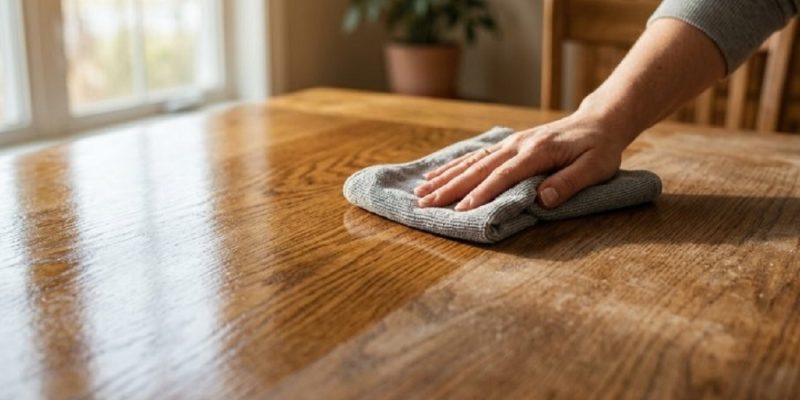
Use a soft, lint-free microfiber cloth slightly dampened with plain water for routine dusting. Always wipe along the direction of the wood grain rather than in tight circles so you lift particles out of the pores instead of pushing them across the sheen. For sticky fingerprints or kitchen spots, add a single drop of mild dish soap to warm water, wring the cloth until it is barely damp, wipe the area, and dry it right away with a clean towel.
Avoid all-purpose household sprays, ammonia cleaners, and silicone-heavy polishes. Harsh solvents strip protective coatings over time, while heavy silicone waxes build up a hazy film that attracts dust and makes future refinishing much harder for a woodworker.

Control Humidity, Sunlight, and Heat

Even when you never spill a drop of liquid on a piece, indoor climate conditions shape how well wood holds up. Because wood expands when air is humid and contracts when air is dry, sharp seasonal swings put stress on joints, miters, and veneer seams.
Aim to keep indoor relative humidity steady between 35 percent and 55 percent throughout the year. Running a humidifier during dry winter heating months and a dehumidifier or air conditioner during muggy summer weeks helps prevent hairline splits, sticking drawers, and gaps in panel doors.
Placement matters just as much as moisture control. Direct sun beating through a window day after day fades pigments, alters wood tones unevenly, and dries out protective finishes. Keep pieces out of harsh sunbeams or use sheer curtains and UV-filtering window film where natural light is strong. Similarly, leave space between wooden furniture and heat registers, radiators, or wood stoves so concentrated dry heat does not warp boards or loosen glue joints.

Stop Rings, Scratches, and Dents Before They Set In

Everyday accidents happen in every busy home, so prevention and quick action make all the difference.

Protect Surfaces From Moisture and Heat

Never set a cold glass of iced tea or a steaming mug directly onto bare wood. Condensation rings and heat marks are among the most common blemishes on coffee tables and dining surfaces, especially over lacquer, shellac, or oil finishes. Use coasters with cork or felt backing and place trivets or thick placemats under hot serving dishes.

Guard Edges, Floors, and Hardware

Small hardware and floor adjustments prevent major structural wear. Stick felt pads under lamps, ceramic planters, and decor items that sit on tabletops, and attach felt glides to the bottom of chair and table legs so moving them does not gouge floors or wrench legs loose.
When drawers start sticking or doors rub against their frames, check for loose screws on hinges, drawer slides, and leg brackets before forcing them shut. Tightening loose fasteners early keeps alignment true and prevents split wood around mounting holes.

Refresh Finishes and Handle Minor Wear Thoughtfully

Over the years, high-touch areas like dining chairs, armrests, and tabletop edges lose some of their luster. Knowing what kind of finish your piece has helps you refresh it safely without overdoing it.
  • Oil and wax finishes: Pieces finished with tung oil, linseed oil, or hardwax oil penetrate or sit close to the surface and welcome occasional conditioning with a matching oil or paste wax. Buffing lightly with a clean cloth restores depth and water resistance.

  • Lacquer, varnish, and polyurethane: These form a harder protective film on top of the wood. They usually need nothing more than gentle cleaning and an occasional coat of furniture wax rather than heavy oils, which cannot soak through a cured film.

  • Light surface scuffs: Minor dull spots or shallow marks in the finish can often be blended out with a touch-up marker matched to the wood tone or a gentle hand-buffing pass. Deep gouges, peeling clear coats, or warped solid wood panels are best left to a local furniture repair specialist or refinisher.


Caring for wood furniture is really a form of stewardship. A few mindful habits—controlling indoor humidity, keeping surfaces dry and shaded, and cleaning gently along the grain—keep everyday pieces looking rich, steady, and welcoming for the long haul.

What is your reaction?

Excited
0
Happy
0
In Love
0
Not Sure
0
Silly
0

You may also like

Leave a reply

Your email address will not be published. Required fields are marked *

More in:Furniture