Exterior

The Best Exterior Wall Cladding Options for Stylish and Durable Home Protection

Exterior wall cladding does a lot more than give a house its personality. Every day, it stands between your framing and everything the weather throws at it—driving rain, relentless UV rays, freeze-thaw cycles, windborne debris, and pests. When cladding fails, the damage rarely stays on the surface; trapped moisture quickly leads to hidden rot, mold, and expensive structural repairs.
At the same time, your siding is the single largest visual element on your property. Choosing the right material means finding the sweet spot between long-term weather protection, realistic maintenance, and architectural style. Whether you are building from the ground up or replacing worn-out siding on an older home, understanding how today’s leading cladding options actually perform in the real world will save you thousands of dollars and years of frustration.

Fiber Cement Siding: The Modern All-Rounder

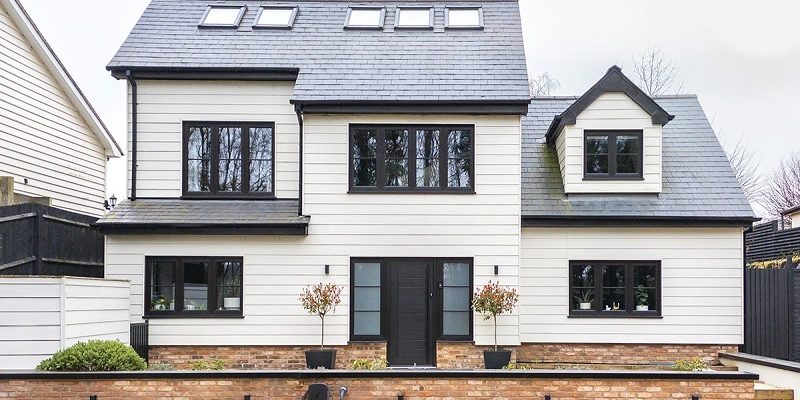
If there is one material that has reshaped American residential exteriors over the past two decades, it is fiber cement. Made from a blend of Portland cement, sand, and cellulose fibers, it delivers the look of traditional painted wood without most of wood’s vulnerabilities.
Fiber cement is non-combustible, making it a top choice in wildfire-prone regions of the West. It does not rot, warp in high humidity, or attract termites and woodpeckers. From a design standpoint, it is remarkably versatile—manufacturers produce it in classic horizontal lap siding, rustic shakes, board-and-batten profiles, and smooth architectural panels for contemporary homes.
The trade-offs are mostly upfront. Fiber cement is heavy and requires specialized cutting tools and experienced installers to get the flashing and clearances right. While factory-applied finishes can last up to fifteen years, it will eventually need repainting. Still, for homeowners who want a 40- to 50-year lifespan with minimal day-to-day upkeep, it is hard to beat.

Natural Wood and Engineered Wood Cladding

Few materials match the organic warmth and character of wood, but modern homeowners have two distinct paths to achieve that look.

Natural Timber

Western red cedar, redwood, and cypress remain favorites for custom homes, cabins, and mid-century modern designs. Natural wood ages with grace, is easy to work with, and offers genuine sustainability when sourced responsibly. However, natural wood demands commitment. Depending on sun exposure and rainfall, it needs restaining or resealing every three to seven years to prevent graying, splitting, and moisture intrusion.

Engineered Wood

Engineered wood siding solves many of timber’s headaches by bonding wood strands with moisture-resistant resins and waxes, then pressing them into dense, uniform boards. It is lighter than fiber cement, resists impact from hail or stray baseballs remarkably well, and comes pre-primed or pre-finished in a wide range of colors. While it is not fireproof like cement or stone, properly installed engineered wood offers a realistic wood aesthetic at a lower maintenance threshold than solid lumber.

Brick and Natural Stone Veneer

Masonry has been the gold standard for exterior durability for centuries. Brick and natural stone are fireproof, impervious to insects, resistant to rot, and virtually immune to fading. They also add thermal mass, helping buffer indoor temperatures against sudden outdoor swings.
Full-bed brick or stone requires a heavy foundation ledge and skilled masons, which drives up construction costs. For renovations or tighter budgets, thin brick and natural stone veneers offer a practical alternative. Cut to roughly an inch thick, these real masonry slices adhere directly to a prepared wall assembly without needing extra foundation support. Many homeowners use stone or brick veneer strategically—wrapping the lower third of the house, accenting entryways, or covering chimneys—to add high-end texture alongside a more economical siding.

Metal Cladding: Sleek, Contemporary, and Weatherproof

Once reserved for agricultural barns and commercial warehouses, metal cladding has moved firmly into residential architecture. Steel, aluminum, zinc, and copper panels bring crisp lines and unmistakable durability to modern farmhouses, mountain retreats, and urban infill homes.
Standing seam and flush-panel metal siding shed rain and snow effortlessly, resist wildfire embers, and are completely recyclable at the end of their lifespan. Heavy-gauge steel holds up well against hail, while aluminum is naturally rust-proof, making it ideal for salty coastal air. The main considerations are cost—especially for premium metals like zinc or copper—and installation precision, as metal expands and contracts with temperature shifts and must be fastened to allow subtle movement without oil-canning or buckling.

Stucco and Modern EIFS

Walk through neighborhoods in the American Southwest, California, or Florida, and stucco is everywhere. Traditional three-coat stucco—a cement-based plaster applied over wire lath—creates a seamless, sculpted exterior that handles intense heat and resists fire.
A modern variation known as EIFS (Exterior Insulation and Finish System) adds a layer of continuous rigid foam insulation beneath a flexible acrylic finish coat, dramatically boosting a home’s energy efficiency. However, both traditional stucco and EIFS have one strict requirement: proper water management. In wet or freeze-thaw climates, hair-line cracks or poorly sealed window flashing can trap water behind the surface. When installed with a dedicated drainage plane, stucco lasts for decades; when shortcuts are taken, repairs can be costly.

Insulated Vinyl Siding

Standard builder-grade vinyl siding earned a mixed reputation over the years for looking flat, rattling in high winds, and cracking in deep freezes. Insulated vinyl siding is a noticeably different product. By bonding a contoured layer of rigid foam directly to the back of thicker vinyl panels, manufacturers eliminated the hollow feel and added a meaningful boost in thermal insulation and sound dampening.
It never needs painting, cleans up with a garden hose, and comes in deeper, more realistic wood-grain profiles than older vinyl. While it still cannot match the fire resistance of fiber cement or the prestige of natural stone, insulated vinyl remains one of the most cost-effective ways to protect a home on a practical budget.

How to Choose the Right Cladding for Your Home

Before falling in love with a material sample, evaluate it against four practical factors:
  • Local Climate: Match the cladding to your biggest environmental threat. Coastal homes need corrosion-resistant fiber cement or aluminum; wildfire zones benefit from non-combustible masonry, metal, or cement; snowy northern climates need materials that handle freeze-thaw cycles without cracking.

  • Architectural Style: A historic Craftsman bungalow looks out of place wrapped in corrugated steel, just as a minimalist modern box rarely suits traditional scalloped shingles. Let the home’s rooflines and proportions guide your choice.

  • Total Lifecycle Cost: Look beyond the installation quote. A cheaper material that requires repainting or replacing in fifteen years often costs more over time than a pricier, low-maintenance exterior.

  • The Rainscreen Behind the Wall: Regardless of which cladding you choose, ask your contractor about installing a ventilated rainscreen—a small air gap created by furring strips between the weather-resistant barrier and the siding. That narrow channel allows any wind-driven moisture that gets behind the panels to drain out and evaporate, extending the life of both your cladding and your paint job.
Great exterior cladding does its job quietly. When you pair a durable, climate-appropriate material with solid installation behind the scenes, your home stays dry, energy-efficient, and effortlessly sharp for decades to come.

What is your reaction?

Excited
0
Happy
0
In Love
0
Not Sure
0
Silly
0

You may also like

Leave a reply

Your email address will not be published. Required fields are marked *

More in:Exterior